Professional Certification in Football Rehabilitation Physiotherapy
Desde el proceso terapéutico hasta la completa readaptación del jugador
-
Duration:
12 months
-
Start Date:
11/10/2026
-
Dedication:
6/8 weekly hours
-
Program Type:
Certificación Profesional (executive education)
-
Modality:
Online, asynchronous
-
Language of Instruction:
Spanish/English
-
Difficulty Level:
Intermediate
This role is commonly found in semi-professional and amateur sports—sectors that have seen steadily growing relevance in recent years. This Professional Certification is designed to equip professionals with comprehensive, detailed knowledge regarding the key challenges involved in managing an injured player. It focuses on methodology and practical application, as all training modules center on analyzing the specific exercises and tasks used to address particular injuries.
The first module covers injury prevention, including neuromuscular risk factors, injury-related biomechanics, and the role of osteopathy in prevention—applying the aforementioned foundational knowledge to a preventive context.
Next, the program delves into the fundamentals of therapeutic and rehabilitation processes—offering both depth and a targeted approach—to ensure a full understanding of the continuum a footballer experiences following an injury.
The curriculum then addresses player assessment, ranging from basic evaluations of isolated movements to complex assessments involving execution and analysis of sport-specific skills. This knowledge is complemented by an update on virtual reality applications in sports and the potential to use this technology for player assessment.
This Professional Certification consists of 12 one-month courses, organized into four three-month blocks. Participants who meet the established requirements receive the main certification diploma (online) as well as diplomas for the four “Expert Programs” that comprise the course. The certification can be taken continuously or by block—according to the user’s preference—with a maximum completion period of 24 consecutive months from the date of enrollment. The academic program concludes with a module specifically focused on the young player, designed to provide an understanding of their training fundamentals and enable these to be adapted to the post-injury rehabilitation process.
1. Risk factors for injury in prevention and rehabilitation
2. Injury-causing biomechanics in soccer
3. Osteopathy and manual medicine in football
4. Incidence and management of injuries in football
5. Foundations of the process of readaptation to competition
6. Ecological construct and football
7. Fundamentals and technology of player assessment
8. Methodology for performance assessment and injury risk factors
9. Sports training and immersive reality
10. Youth football development: from potential to sporting excellence
11. Post-competition recovery measures
12. Psychosocial performance and sport
What includes this program?
Access to the Innovity® method: science, methodology, application
Expert Mentoring: testimonials, best practices, and suggestions—shared firsthand from the field by the experts themselves
Access to materials—anytime, anywhere, and from any device
24/7 support—synchronous or asynchronous, depending on your preference—provided by the team of professionals at Innovity
Case method: effective use of learned tools and concepts
Self-assessments to measure your learning progress
Comprehensive final exam
Certificate of completion or attendance, as applicable
Pricing
€ 720
€ 60 per month -12 months
Our Experts

Eduardo García Prat
Holding a degree in Physical Activity and Sports Sciences (INEFC, Lleida) and Master’s degrees in High-Performance Sports (INEFC, Barcelona) and Sports Rehabilitation (EUSES, Girona), he has built a career spanning over fifteen years in high-performance sports, with a particular focus on professional football. He works as a technical consultant, designing performance optimization, injury prevention, and rehabilitation programs for elite footballers in European leagues—such as Dani Olmo, Thiago Alcántara, Eric García, and Alex Baena, among others. He has worked with internationally renowned players as well as elite athletes from other disciplines, including WTA tennis players like Paula Badosa and Carla Suárez, and MotoGP riders such as Remy Gardner
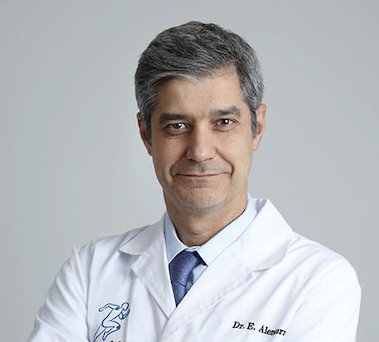
Eduard Alentorn Geli
He holds a doctorate from the Department of Medicine at the University of Barcelona’s Faculty of Medicine. He earned a Master’s degree in High-Performance Team Sports Training (INEFC, University of Barcelona, 2008) and a Master’s degree in Clinical Biomechanics of the Musculoskeletal System (Rovira i Virgili University, Reus, Spain). He has received numerous awards and honors and has a scientific output comprising over 150 articles published in prestigious scientific journals. He completed two postgraduate fellowships at Duke University and the Mayo Clinic

Gerard Alvarez
PhD in Biomedical Research Methodology and Public Health from the Autonomous University of Barcelona. He holds degrees in Physiotherapy from Ramon Llull University and in Osteopathy from the Barcelona School of Osteopathy (Escola d’Osteopatia de Barcelona – European School of Osteopathy). He is a postdoctoral researcher at the Iberoamerican Cochrane Center (CCib), which is part of the Department of Clinical Epidemiology and Public Health at Sant Pau Hospital in Barcelona and the Sant Pau Research Institute
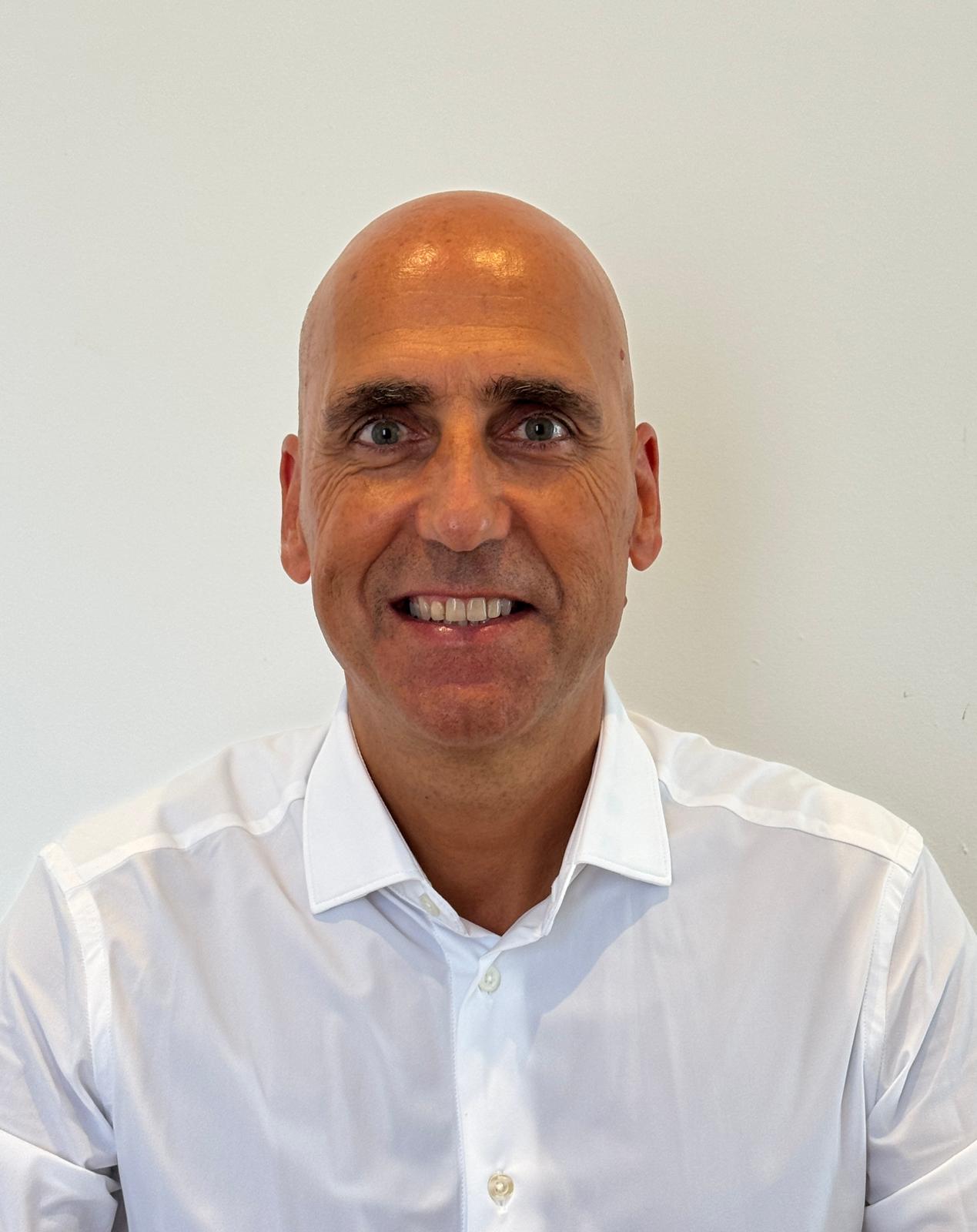
Jaume Munill Aróztegui
Holds a Diploma in Physiotherapy (Gimbernat University School, Autonomous University of Barcelona, 1988–92), is a C.O. Osteopath (Barcelona School of Osteopathy, Pompeu Fabra University, 2006–10), and a Psychoneuroimmunologist (EFHRE International University, Regenera 2021). He also completed a postgraduate program in Sports Physiotherapy (Gimbernat University School, Autonomous University of Barcelona, 1994–95). While involved in various sports disciplines—such as futsal and field hockey—he has spent the majority of his professional career in football. He began his career with the Terrassa FC first team (1996–2000), worked with the Catalan Football Federation representative team (2000–07) and the Real Club Deportivo Espanyol first team (2004–08), and has served as a physiotherapist and osteopath at Futbol Club Barcelona since 2008
Dani Romero
PhD in Sports Science from the University of Zaragoza (Spain) and degrees in Sports Science from the University of Barcelona and Physiotherapy from the Autonomous University of Barcelona. He has authored numerous scientific articles, with research focused on the effects of inertial strength training systems—specifically regarding their application for both performance enhancement and injury prevention.

Maurici Abraham López-Felip
PhD in Ecological Psychology from the University of Connecticut (2019), an M.S. in Exercise Science from Southern Illinois University (2014), and a degree in Physical Activity and Sports Sciences from the University of Barcelona (2009). He is currently the CEO and co-founder of Kognia Sports Intelligence (since 2019), a Barcelona-based company pioneering tactical analysis in soccer using artificial intelligence. Previously, he served as Head of Research for the Team Sports Department at FC Barcelona (2016–2019).
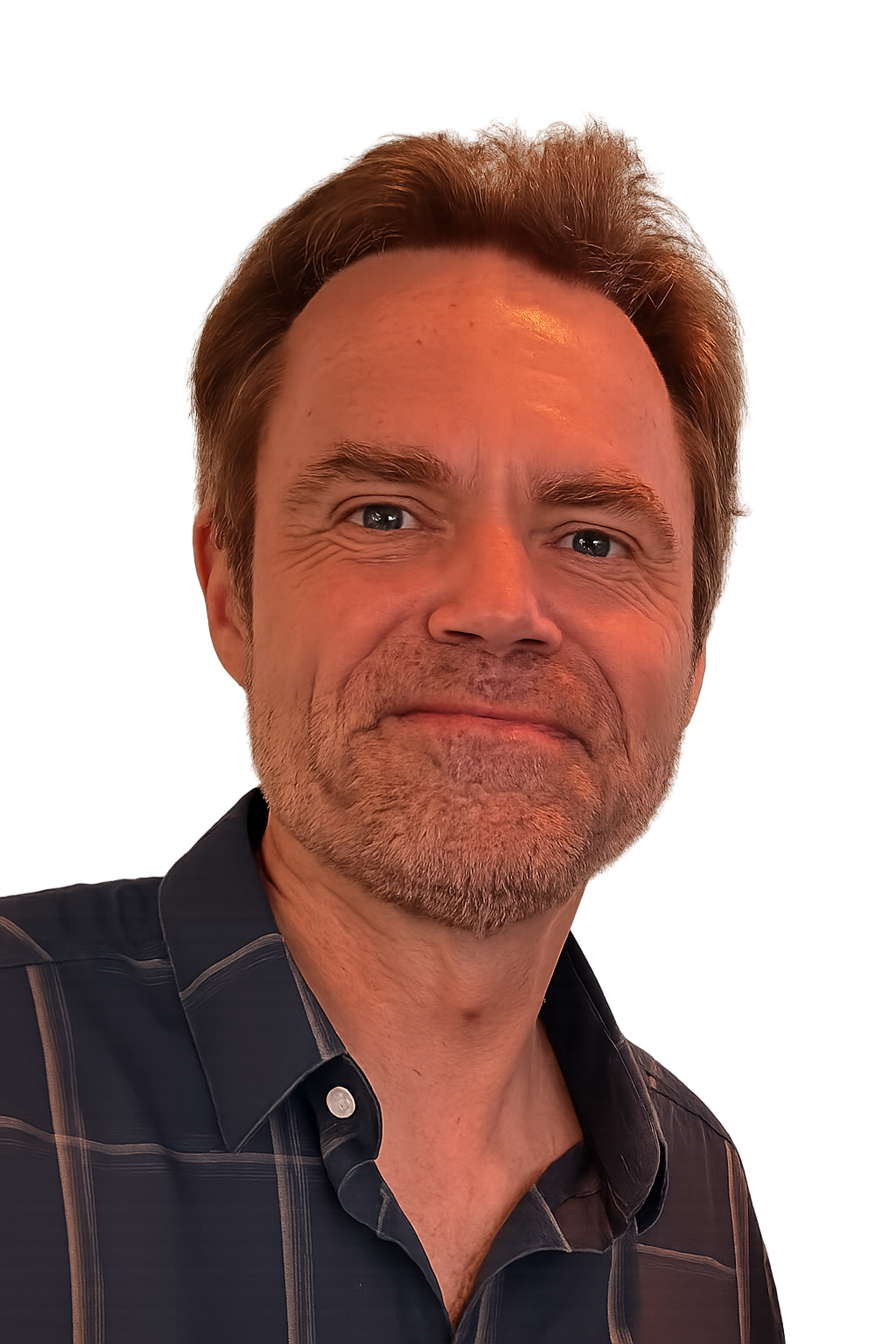
James Dixon
PhD in Developmental Psychology from the University of Wisconsin–Madison and a Bachelor’s degree in Psychology from the State University of New York at Albany. Since 1999, he has held academic positions at Trinity University, the College of William & Mary, and the University of Connecticut; at the latter, he has served as Associate Professor (2005–2014) and Full Professor (since 2014), and has held leadership roles overseeing the Development and Perception–Action–Cognition areas within the Department of Psychological Sciences. He has directed the Center for the Ecological Study of Perception and Action since 2014
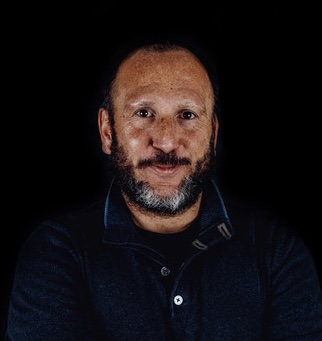
Marc Madruga Parera
PhD in Sports Science from the University of Girona’s Faculty of Medicine and an Official Master’s Degree in Integrative Physiology from the University of Barcelona. His academic career has included positions at various universities. As a researcher, he focuses on studying injury risk factors in athletes and enhancing athletic performance. He has coached athletes for over 30 years—particularly footballers—and served as a physical trainer for FC Barcelona’s reserve team
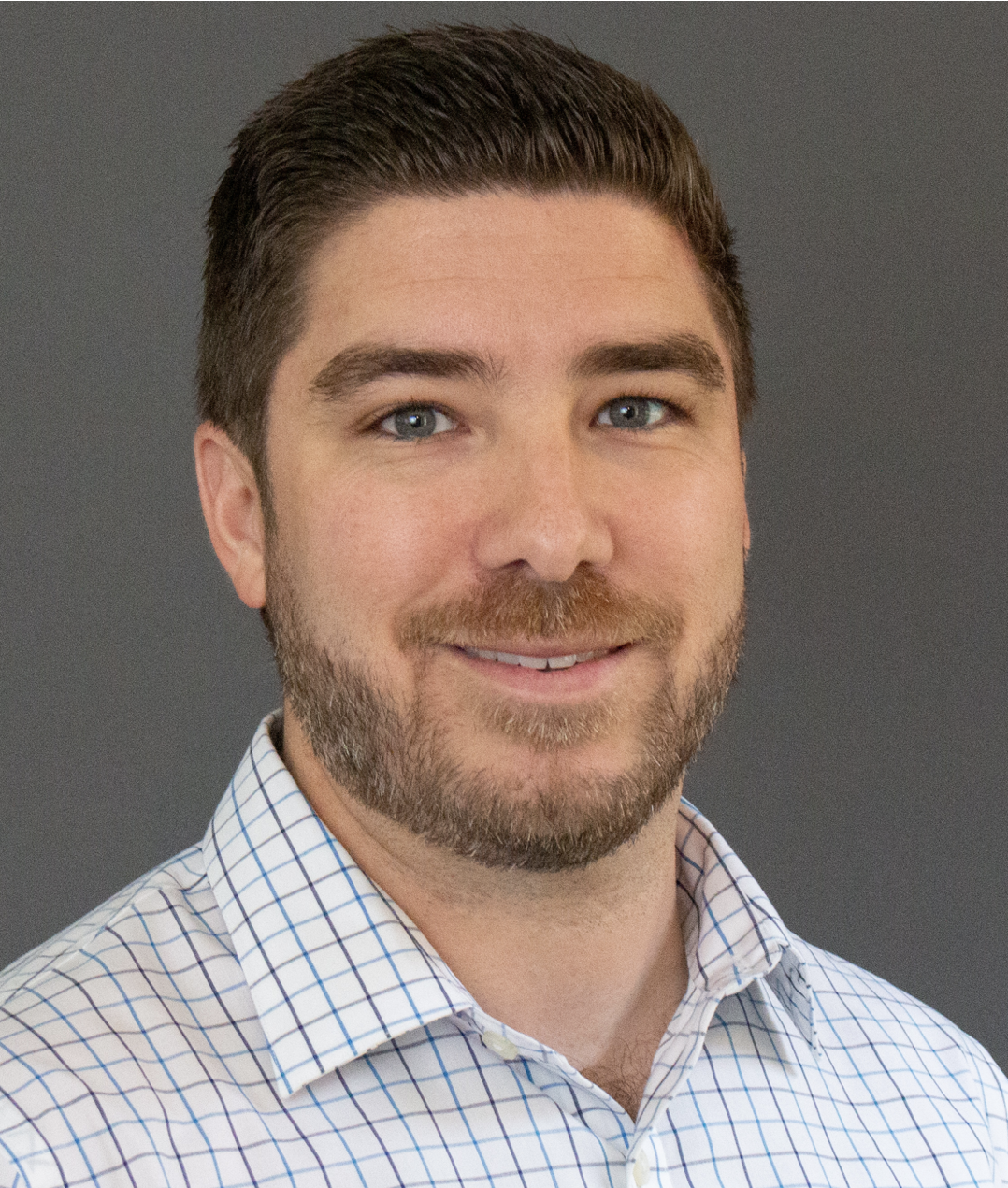
Adam Kiefer
Dr. Adam Kiefer serves as an Associate Professor in the Department of Exercise and Sport Science at the University of North Carolina at Chapel Hill (UNC), where he is also a core faculty member of the Matthew Gfeller Center for NeuroHealth and an affiliate of the Sports Medicine Institute. He is the co-director of the STAR Heel Performance Laboratory (Simulation, Training, Analytics & Rehabilitation), a translational research group focused on leveraging immersive technologies, artificial intelligence, and behavioral science to address critical challenges in sports injury prevention and rehabilitation
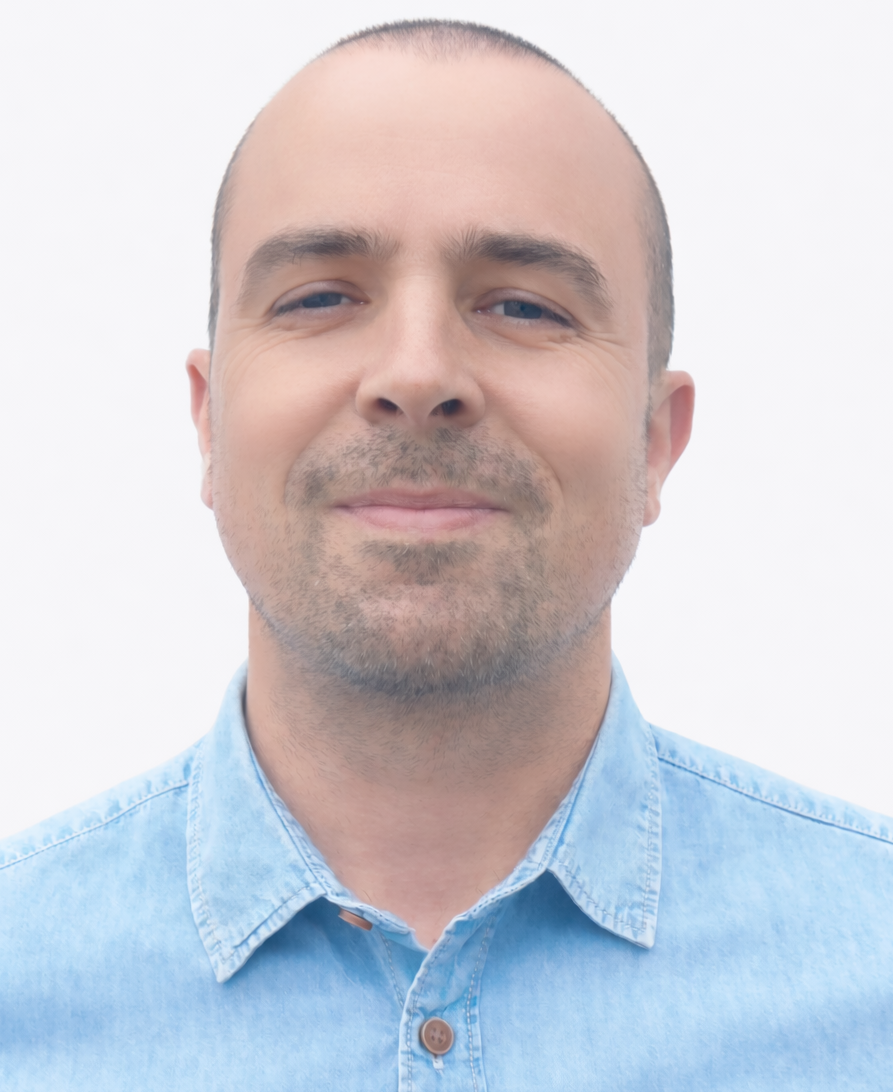
Nuno Leite
PhD in Sports Science from the University of Trás-os-Montes e Alto Douro (Portugal). He earned a degree in Physical Education and Sport from the same university and a Master’s degree in Sports Science from the Faculty of Sport at the University of Porto. Previously, he served as director of the Master’s program in Sports Performance Analysis, conducted in partnership with Otto-von-Guericke University (Magdeburg, Germany) and the Lithuanian Sports University (Kaunas, Lithuania)
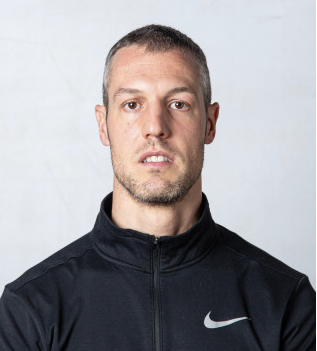
Albert Altarriba-Bartés
PhD in Physiotherapy from the University of Vic–Central University of Catalonia (UVic-UCC) and a PhD in Physical Activity and Sports Sciences from the University of Barcelona. He also holds degrees in Physical Activity and Sports Sciences and in Physiotherapy from UVic-UCC. He is the author of various scientific articles focusing on elite sports performance, post-exertion recovery, epidemiology, and injury prevention
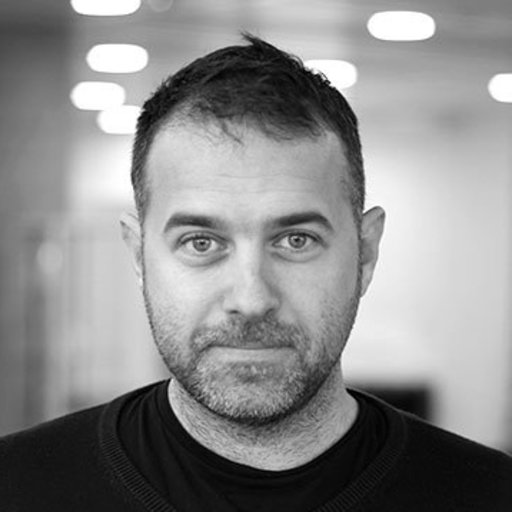
Alex Latinjak
PhD in Psychology from the Autonomous University of Barcelona (2010), a Master’s degree in Research from the Autonomous University of Barcelona (2007), and a degree in Psychology from the University of Barcelona (2006). He completed a postdoctoral fellowship at the University of Thessaly (2011). His professional experience includes working as a sports psychologist at the Bruguera Tennis Academy (2002–2009); holding management positions overseeing programs and professional practice at clubs in Girona; serving as the head of the youth academy psychology project and first-team psychologist for Club Bàsquet Girona in the ACB (2022–2025); working as a performance psychology consultant for the Ipswich Town FC Academy (2019–2020); and consulting for KTM Red Bull MotoGP (2023)